

Turpentine Oil Benefits, Safety, and Risks ⚠️
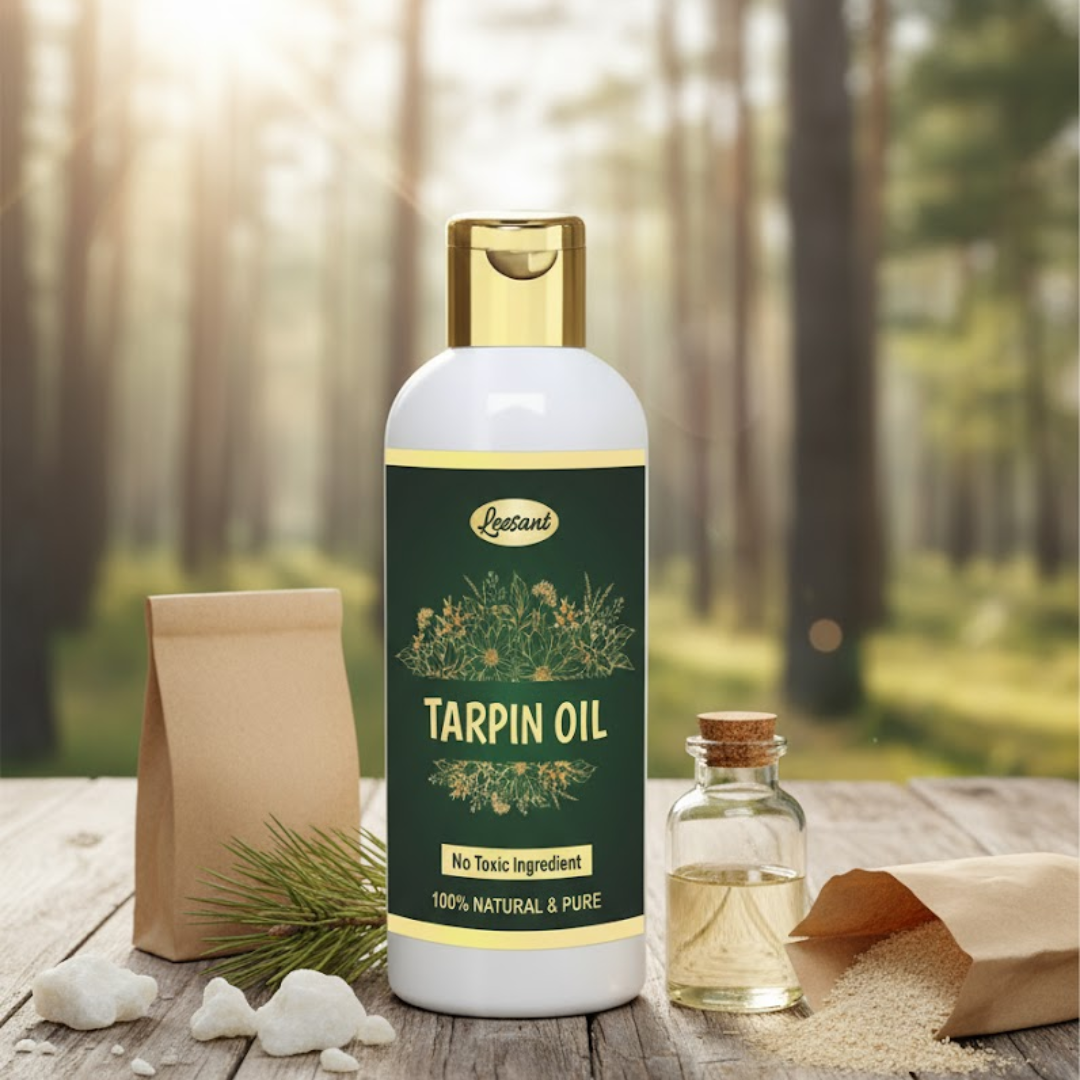
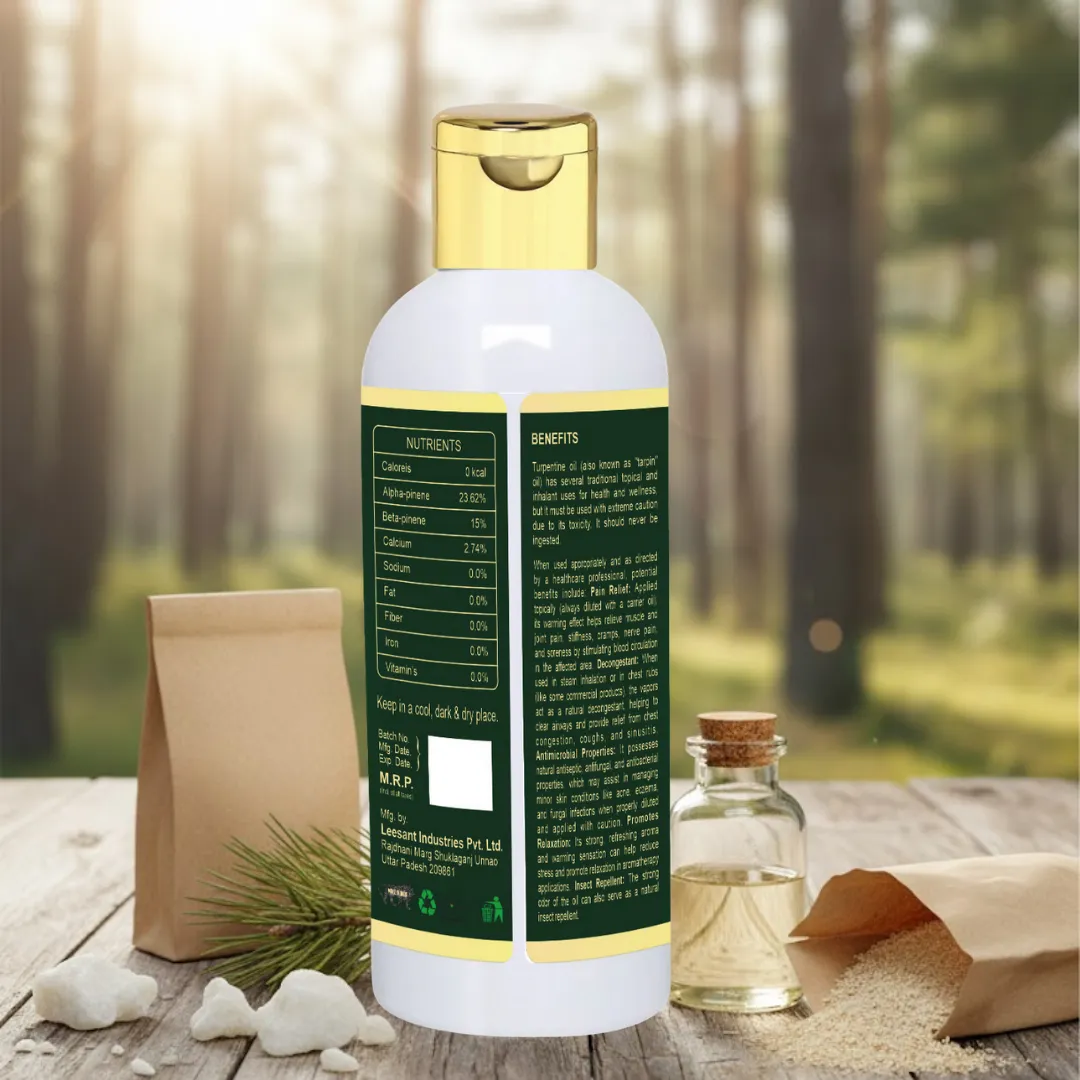
Turpentine oil (also known as “tarpin” oil) has several traditional topical and inhalant uses for health and wellness, but it must be used with extreme caution due to its toxicity. It should never be ingested.
Potential Benefits (Topical and Inhalant Use Only)
When used appropriately and as directed by a healthcare professional, potential benefits include:
-
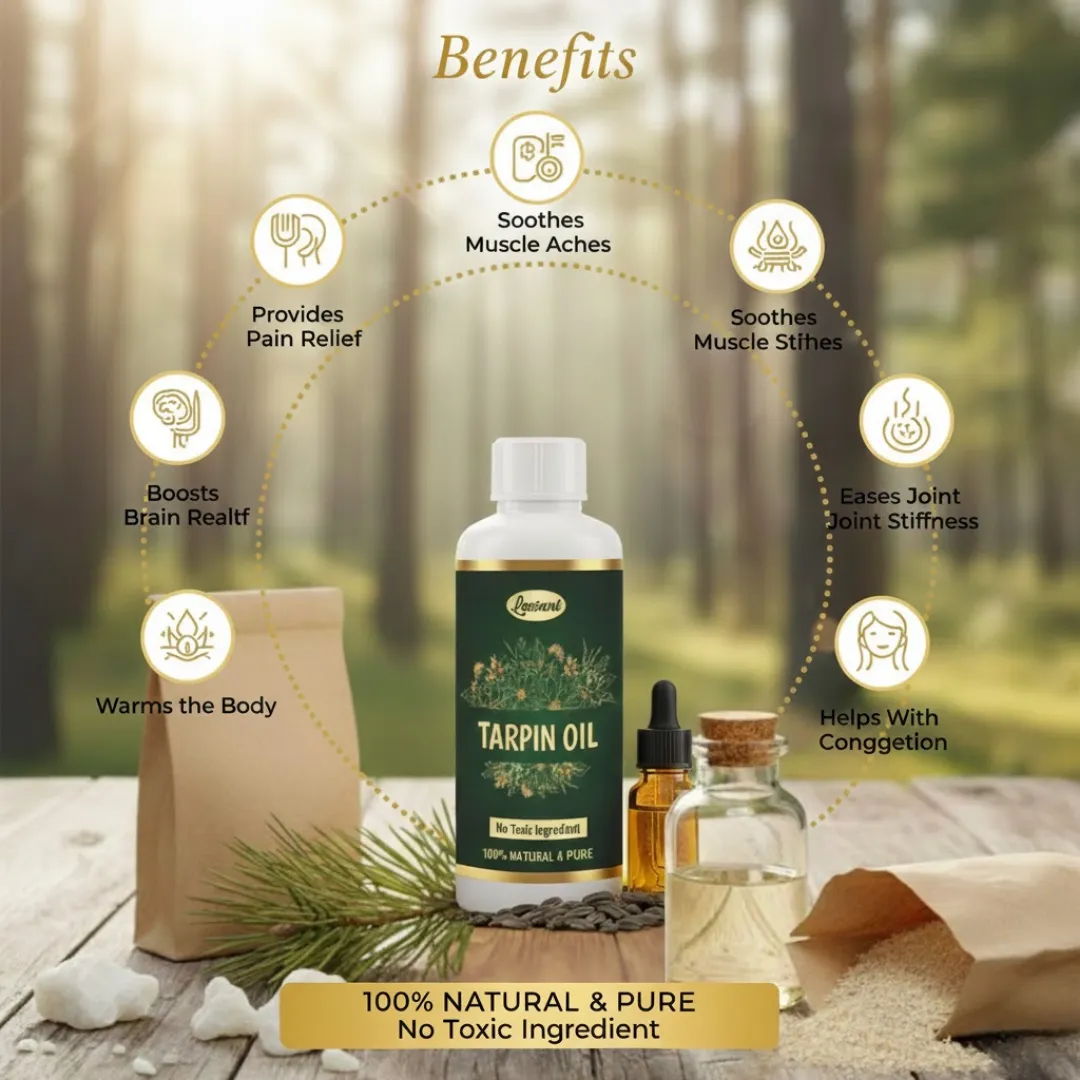
Pain Relief: Applied topically (always diluted with a carrier oil), its warming effect helps relieve muscle and joint pain, stiffness, cramps, nerve pain, and soreness by stimulating blood circulation in the affected area.
-
Decongestant: When used in steam inhalation or in chest rubs (like some commercial products), the vapors act as a natural decongestant, helping to clear airways and provide relief from chest congestion, coughs, and sinusitis.
-
Antimicrobial Properties: It possesses natural antiseptic, antifungal, and antibacterial properties, which may assist in managing minor skin conditions like acne, eczema, and fungal infections when properly diluted and applied with caution.
-
Promotes Relaxation: Its strong, refreshing aroma and warming sensation can help reduce stress and promote relaxation in aromatherapy applications.
-
Insect Repellent: The strong odor of the oil can also serve as a natural insect repellent.
Safety and Risks
Turpentine oil is a toxic substance, and improper use can lead to serious health issues, including:
-
Ingestion is highly dangerous: Ingesting even a small amount can cause severe symptoms such as brain damage, kidney damage, vomiting, pulmonary hemorrhage, and even death.
-
Skin Irritation: Direct, undiluted application can irritate and burn the skin. It must always be diluted with a carrier oil and a patch test performed before use.
-
Respiratory Issues: Concentrated vapors can irritate the nose and throat, causing coughing, wheezing, and, in high exposures, fluid build-up in the lungs (pulmonary edema), which is a medical emergency.
-
Allergic Reactions: Some individuals may develop a skin allergy to turpentine with prolonged exposure.
-
Vulnerable Populations: Children, pregnant or nursing women, and individuals with existing respiratory conditions should avoid turpentine oil completely.


Reviews
There are no reviews yet.